Tracing Code Sequences That Scale Rewards from Minimal Stakes to Major Commitments Across Digital Entertainment Venues
Avery Schröder · Aug 5, 2026

Tracing Code Sequences That Scale Rewards from Minimal Stakes to Major Commitments Across Digital Entertainment Venues
Digital entertainment venues have developed intricate systems where specific code sequences activate reward structures that begin with small initial deposits and extend to substantial funding levels, and observers note these sequences often follow predictable patterns across multiple platforms. Data from industry reports shows that operators implement tiered activation methods using alphanumeric identifiers that users enter during registration or funding stages, which in turn unlock varying incentive layers based on cumulative commitment amounts. Researchers at academic institutions have documented how these sequences operate through backend tracking that logs each code application and adjusts available rewards accordingly.
Initial Code Activation at Low Deposit Thresholds
Many platforms initiate reward pathways when users apply entry-level codes during the first deposit phase, typically starting around ten euros, and these codes trigger base-level bonuses that scale modestly with verified funding. Studies from European gaming research centers indicate that such sequences commonly require users to input unique strings that connect to centralized databases, allowing the system to verify eligibility before releasing matched funds or free credits. What's interesting is how these early codes set the foundation for later unlocks, since subsequent deposits build on the initial record without needing repeated entries in many cases.
Analysts tracking platform behaviors across North American and Asian markets have found that code sequences often include expiration timers and usage limits, which prevent indefinite reuse while still permitting progression to higher tiers as total stakes increase. For instance, one documented sequence in regional reports shows a base code applied at the ten-euro level granting a twenty-percent match, then automatically referencing teh same identifier when a fifty-euro deposit occurs to add an additional layer of rewards.
Progression Through Mid-Range Deposit Stages
As commitments grow beyond initial thresholds, platforms activate secondary codes that reference prior activity and adjust reward multipliers accordingly, and this transition typically occurs around the one-hundred to five-hundred euro range. Figures from regulatory filings in multiple jurisdictions reveal that these mid-tier sequences rely on cumulative tracking rather than isolated entries, meaning each new code application pulls data from the user's established profile. Experts have observed that this method reduces administrative overhead while maintaining clear reward scaling based on verified deposit history.
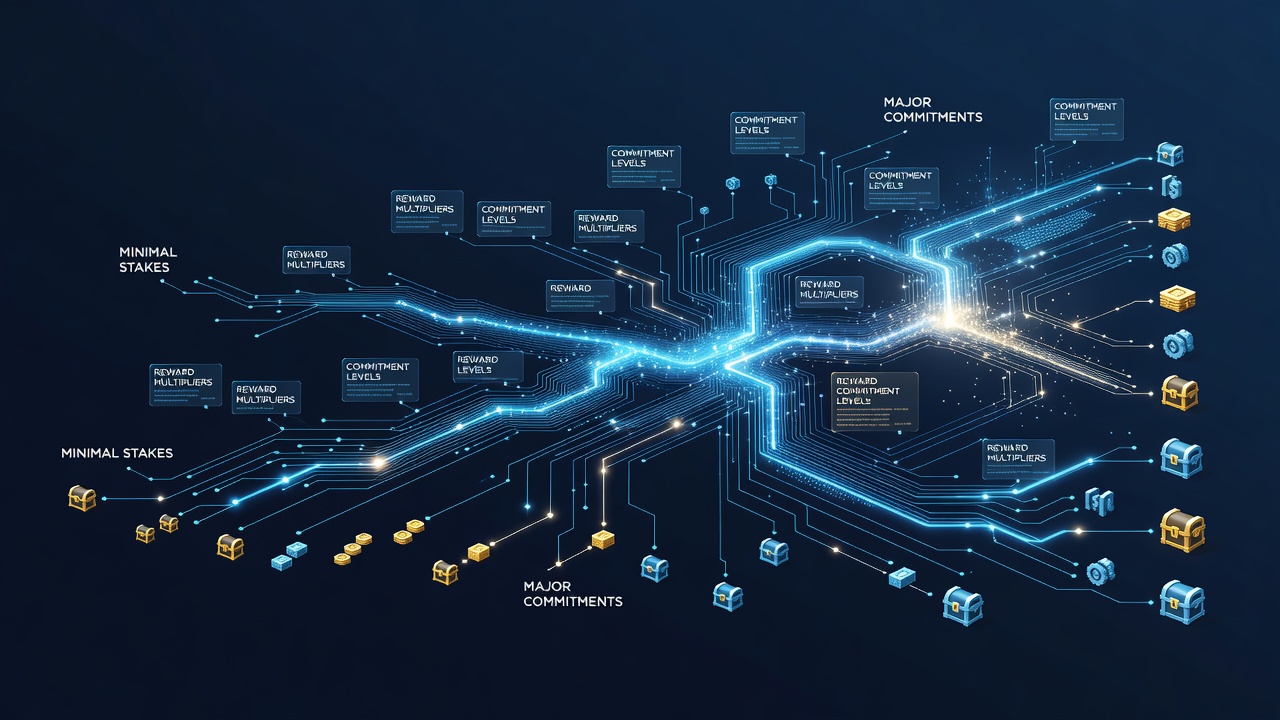
Take one case where operators in August 2026 updated their systems to handle simultaneous code applications more efficiently, allowing users to combine a mid-range identifier with an earlier base code without conflicts, and this change aligned with broader industry shifts toward streamlined verification processes. Data indicates that such updates have appeared in several major markets, reflecting ongoing refinements in how sequences manage incremental funding steps.
High-Commitment Tiers and Extended Sequences
At major commitment levels exceeding one thousand euros, advanced code sequences engage full reward architectures that incorporate loyalty multipliers, cashback percentages, and exclusive event access, and these final stages draw directly from the complete deposit record built through earlier applications. Reports compiled by international gaming associations highlight that high-tier codes often incorporate additional security checks, such as identity confirmation or transaction pattern analysis, before activation occurs. Those who've studied these systems note that the sequences maintain consistency across venues by using standardized backend protocols even when front-end interfaces differ.
Regulatory bodies in regions including New Jersey and Australia have issued guidelines requiring transparent disclosure of how code sequences determine reward eligibility at elevated stakes, which has led platforms to publish clearer documentation on progression mechanics. Evidence suggests these disclosures help users understand the connection between their funding history and available incentives without requiring direct platform contact in most instances.
Cross-Platform Variations in Sequence Design
Platforms operating under different licensing frameworks show notable differences in how they structure code sequences, yet core principles of scaling from minimal to major stakes remain consistent according to comparative analyses. One study from a Canadian research group compared sequences across several operators and found that while some venues prioritize rapid code validation at low deposits, others emphasize verification steps that carry forward into higher tiers for fraud prevention. This variation creates distinct user experiences while still achieving similar overall reward progression outcomes.
Industry organizations have compiled datasets showing that August 2026 saw increased adoption of unified tracking standards among operators in select markets, which simplified cross-referencing of codes between related venues and reduced discrepancies in reward calculations for users moving between sites. Such developments continue to shape how sequences function in practice.
Conclusion
Code sequences in digital entertainment venues establish structured pathways that connect initial low-stake entries with substantial later commitments through systematic tracking and tiered activation, and available data from multiple regulatory and research sources confirms these mechanisms operate with increasing precision as platforms refine their systems. Observers continue to monitor developments in this area as operators adapt sequences to evolving requirements across global markets.