Tracing Code-Driven Shifts From Free-Access Entries to Escalating Euro Funding Tiers in Virtual Entertainment Systems
Avery Schröder · Aug 26, 2026
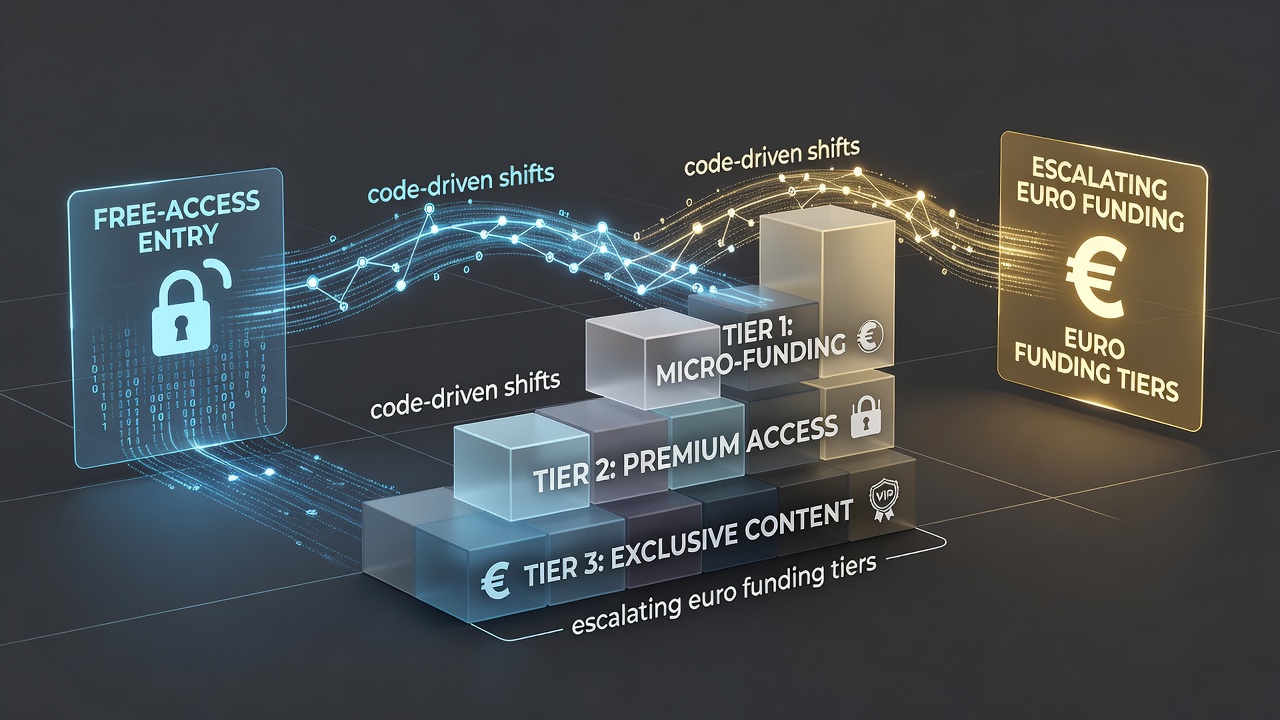
Tracing Code-Driven Shifts From Free-Access Entries to Escalating Euro Funding Tiers in Virtual Entertainment Systems
Virtual entertainment systems across Europe have moved through distinct phases in how they manage user entry and reward structures, with promo codes serving as the primary mechanism for guiding participants from no-cost starting points toward structured deposit requirements. These transitions rely on identifier sequences that activate specific pathways, beginning with complimentary access and advancing through incremental euro funding levels that unlock additional features.
Early Free-Access Mechanisms and Their Limitations
Initial models in digital platforms allowed direct entry through basic registration codes or no-deposit variants, granting limited playtime or trial features without requiring immediate financial commitment. Data from industry monitoring groups shows that these entry points typically capped user activity at predefined thresholds, after which the system prompted transition to funded tiers. Observers note that such free-access codes often carried expiration dates or usage limits, creating natural pressure points where participants either disengaged or advanced to the next stage.
By mid-2025, platform operators had refined these sequences so that free entries fed directly into verification steps, preparing users for deposit-based progression. Research from European digital entertainment associations indicates that conversion rates from free trials to first deposits hovered around 18 to 24 percent during this period, with codes acting as the bridge that logged user behavior and triggered personalized tier offers.
Code Sequences as Transition Tools
Promo identifiers function as layered keys that map user activity across multiple stages. A single code might initially unlock free spins or credits, then register the account for subsequent deposit incentives once the user inputs funds starting at ten euros. As deposits increase to twenty, fifty, or one hundred euros, additional codes activate higher reward multipliers or extended access periods. This architecture ensures that each funding step builds on the previous one through automated tracking systems.
Platforms have documented how these sequences reduce drop-off by presenting the next code only after a deposit registers. Figures released in August 2026 by several operator networks reveal that users who engage with sequential codes complete an average of 2.3 funding steps before pausing, compared with 1.1 steps for those entering without codes. The mechanism relies on backend logging that associates each identifier with specific euro thresholds, preventing users from skipping levels.
Escalating Euro Tiers and System Design
Modern virtual entertainment environments structure rewards around progressive deposit bands that begin at low euro amounts and extend upward. Ten-euro entries commonly unlock basic bonus rounds, while fifty-euro deposits activate enhanced reward pools and one-hundred-euro commitments open premium feature sets. Code systems enforce these bands by validating the exact deposit value before releasing the corresponding incentive package.
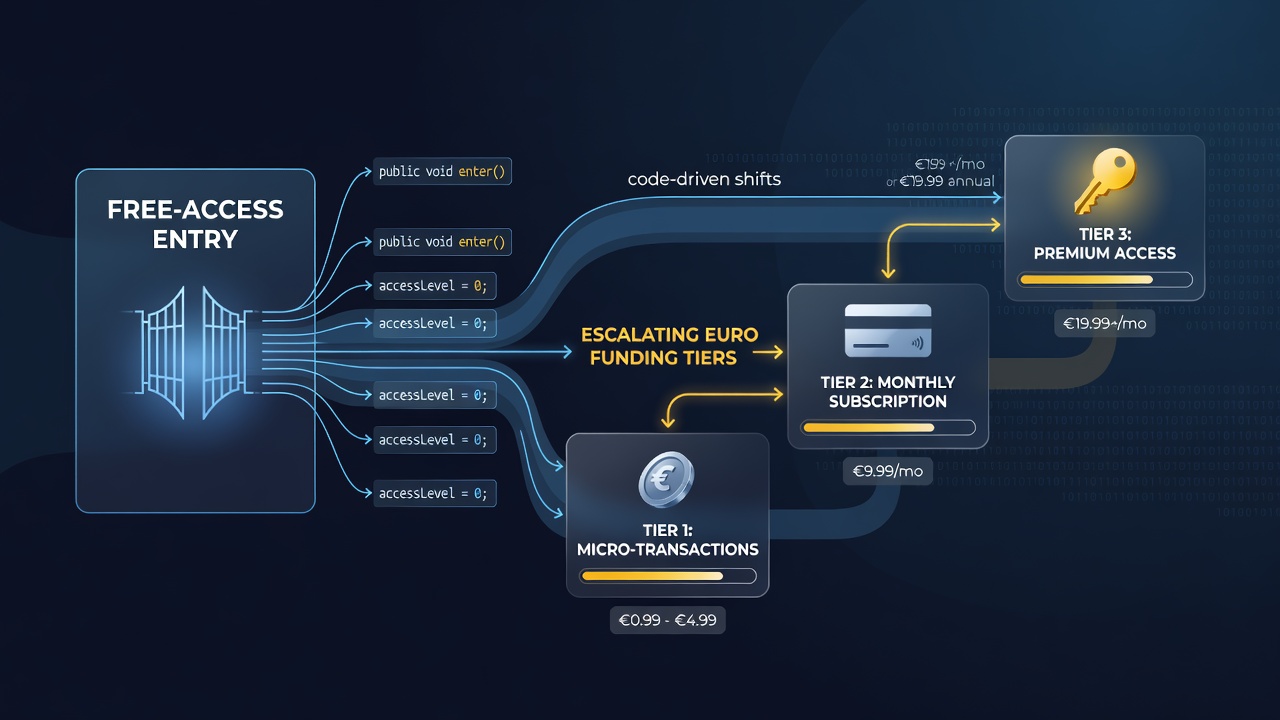
Operators implement these tiers through conditional logic that checks deposit history against code eligibility rules. A user who deposits ten euros receives one set of rewards, yet the same code becomes inactive until the account reaches the next threshold. Studies conducted by academic research centers focusing on digital economies have tracked how this graduated approach aligns user spending patterns with platform revenue targets, showing steady increases in average deposit values when codes guide the progression.
Regional Patterns and 2026 Developments
European markets have seen consistent application of these code-driven models, with variations tied to local regulatory frameworks. In several jurisdictions, operators must display clear mapping of code sequences alongside deposit requirements, ensuring transparency about how free entries convert to funded participation. August 2026 updates from continental gaming oversight bodies highlighted increased scrutiny on the clarity of these transitions, prompting some platforms to simplify their code presentation layers.
Similar structures appear in other regions as well. Reports from Canadian provincial regulators and Australian interactive gaming associations describe parallel systems where identifiers bridge initial free access to tiered funding, although the euro denominations remain specific to European implementations. The shared technical foundation involves database triggers that link code redemption events to cumulative deposit totals.
Technical Infrastructure Supporting the Shifts
Backend systems record each code redemption event alongside the associated deposit amount, creating audit trails that operators use for compliance and optimization. When a user enters a code after a ten-euro deposit, the platform logs the transaction and prepares the next identifier for the fifty-euro level. This sequential recording prevents reuse and maintains the intended escalation path.
Integration with payment processors allows real-time validation, so rewards activate only after funds clear. Industry technical standards published by international gaming technology forums emphasize secure key generation and redemption protocols that support these multi-stage journeys without exposing sensitive account data.
Conclusion
The movement from free-access entries to escalating euro funding tiers in virtual entertainment systems operates through carefully engineered code sequences that track and direct user progression. These mechanisms have evolved to balance initial engagement with sustained funding requirements, supported by backend systems that validate each step. As of August 2026, continued refinement of these structures reflects ongoing adaptation to regulatory expectations and user behavior patterns across multiple markets.