Sequential Identifier Systems Connecting No-Deposit Access to Tiered Deposit Rewards in Online Entertainment Venues
Drew Becker · Aug 19, 2026

Sequential Identifier Systems Connecting No-Deposit Access to Tiered Deposit Rewards in Online Entertainment Venues
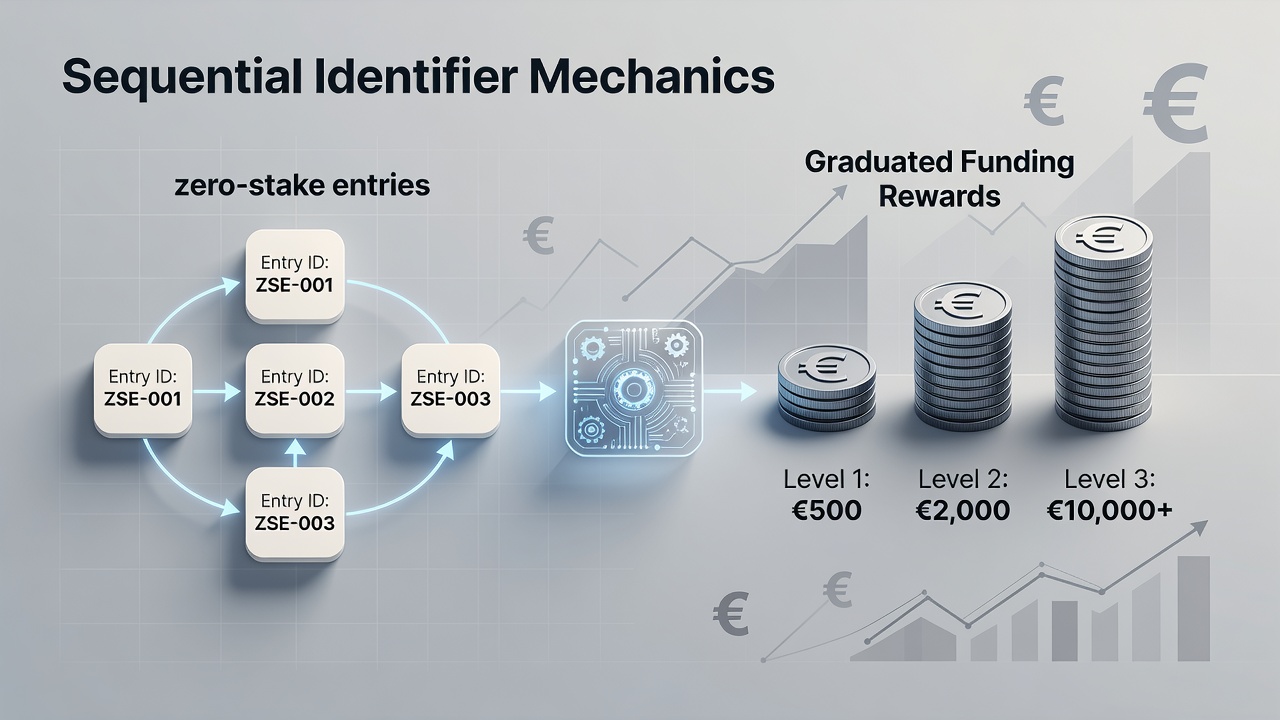
Sequential identifier mechanics operate as coded sequences that bridge zero-stake entries with graduated funding rewards on virtual entertainment platforms, and these systems track user progression across euro thresholds through unique alphanumeric strings assigned at registration or initial access. Platforms issue these identifiers to manage incentive structures, where an initial no-deposit code activates a base reward tier before subsequent deposits trigger higher levels at set euro amounts such as 10, 25, 50, 100, 250, 500, and 1000 euros. Data from industry monitoring groups shows that such mechanics appeared in multiple European and North American platforms by early 2025, with expansions noted through August 2026 as operators adjusted to updated compliance requirements in several jurisdictions.
How Sequential Identifiers Function in Practice
These identifiers function through a linear activation process where the first code segment unlocks zero-stake participation, and later segments activate only after users complete deposits that meet specific euro thresholds, which creates a chained reward ladder. Observers note that the system logs each transition in platform databases to prevent reuse or duplication across accounts, and this logging occurs in real time as deposits register. Research from gaming analytics firms indicates that platforms using these mechanics report higher user retention rates when identifiers sequence rewards in increments that align with common deposit patterns observed in user transaction data.
Platforms integrate these identifiers into account dashboards, where users enter codes at designated stages to claim the next reward tier, and the graduation occurs automatically once the euro threshold clears through verified payment methods. One documented implementation in a multi-jurisdiction operator linked a single identifier string to both free spin allocations at the zero-stake level and cashback percentages that scaled from 10 percent at the 50-euro deposit mark up to 25 percent at the 500-euro mark. Figures released by regulatory bodies in Malta and Australia during 2026 confirm that operators must maintain audit trails for these sequences to demonstrate compliance with responsible gaming standards.
Euro Threshold Structures and Reward Graduation
Euro thresholds typically follow standardized increments across platforms, starting with minimal deposits around 10 euros that unlock mid-tier rewards and progressing to 1000 euros for top-tier incentives, and the identifier mechanics enforce these steps by requiring sequential code validation at each stage. Platforms configure the thresholds based on regional user data, with some operators in the European Union adjusting increments upward in August 2026 following new reporting mandates from national authorities. Studies conducted by academic research centers on digital gaming behaviors reveal that graduated structures tied to sequential identifiers correlate with increased average deposit sizes when users perceive clear progression paths.
Operators often embed time limits within the identifier sequences, so users must complete the next deposit within a set window after the prior tier activates, and failure to meet the deadline resets or terminates the chain. This timing element appears in platform terms published by several major providers, and data from transaction monitoring services shows that completion rates drop when windows fall below 30 days. Those who've examined user flow patterns across platforms observe that the combination of zero-stake entry and progressive euro requirements encourages sustained engagement through the full sequence.
Regional Variations and Compliance Updates in 2026
Regional implementations differ based on local regulations, with platforms operating under Maltese licensing often requiring explicit disclosure of identifier mechanics in user agreements, whereas operators in Canadian provinces apply additional verification layers before graduated rewards release. Reports from the European Gaming and Betting Association highlight that sequential identifier systems underwent review in mid-2026 to align with cross-border data protection rules, and similar examinations occurred in Australian regulatory frameworks during the same period. European Gaming and Betting Association reports document these compliance adjustments across multiple member operators.
Platforms in the United States that adopted similar mechanics for skill-based entertainment venues incorporated state-specific thresholds, and identifier sequences there link zero-stake trials to deposit graduations measured in euro equivalents for international user segments. Data compiled by the International Association of Gaming Regulators indicates that August 2026 saw several operators publish updated identifier protocols to address concerns around reward transparency. International Association of Gaming Regulators documentation outlines these protocol changes in detail.
Conclusion
Sequential identifier mechanics continue to evolve as platforms refine the links between zero-stake entries and graduated euro-based rewards, and ongoing regulatory oversight in multiple regions shapes how these systems operate through 2026 and beyond. Transaction data and compliance records demonstrate consistent application of threshold structures across varied jurisdictions, with operators maintaining detailed logs to support verification processes. The mechanics provide structured pathways that platforms use to manage incentive distribution while adhering to established operational standards.