Mapping the Transition from Complimentary Access to Tiered Funding Rewards Through Specialized Identifiers in Online Entertainment
Logan Lang · Jul 29, 2026
Mapping the Transition from Complimentary Access to Tiered Funding Rewards Through Specialized Identifiers in Online Entertainment
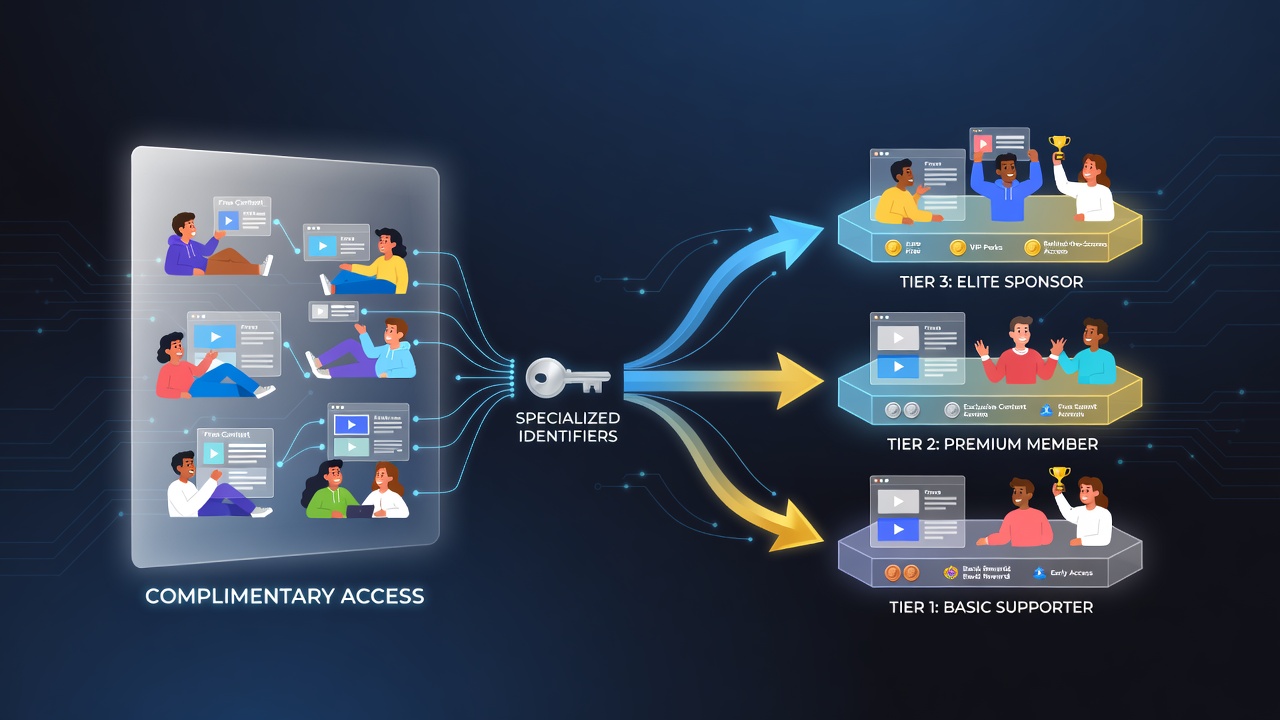
Specialized identifiers such as unique promo codes, account-linked tokens, and loyalty markers serve as the connective tissue in online entertainment platforms, guiding users from no-cost entry points into structured funding tiers that scale with deposits and activity levels. These systems operate by assigning a distinct code or digital tag at registration, which then records every interaction and determines when a user qualifies for escalated incentives like percentage matches or cashback rates tied to specific funding amounts.
Core Mechanics of Identifier-Driven Progression
Platforms activate complimentary access through entry-level identifiers that require no initial deposit, allowing users to test features while the system logs behavior in real time. Once engagement thresholds are met, the same identifier triggers a shift, converting free play into opportunities that demand funding to unlock higher reward brackets. Data from industry tracking services shows this transition often occurs within the first 48 hours of account activity, with identifiers functioning as persistent keys that carry user history across sessions and devices.
Regional Implementation Patterns in Mid-2026
European operators integrate these identifiers with regulatory compliance layers that align with national gaming frameworks, whereas North American platforms emphasize integration with state licensing databases to verify transitions. In July 2026, reports compiled by the Australian Gambling Research Centre highlighted how identifier systems in licensed venues adjusted tier thresholds upward following updated consumer protection guidelines, resulting in clearer mapping from entry rewards to deposit-scaled benefits. Observers note that such adjustments reduced unintended overlaps between free and funded reward categories by streamlining code validation processes.
Identifiers also incorporate segmentation logic that sorts users based on deposit velocity and frequency, automatically advancing them through reward ladders without manual intervention. For instance, a single code might start with demo credits, then evolve into a 50 percent match once the first deposit registers, and later unlock loyalty points at the 200 euro funding mark. This layered approach relies on backend databases that cross-reference the identifier against real-time transaction logs, ensuring each step builds directly on the previous one.
Technical Infrastructure Supporting Transitions
Backend architectures employ API calls that query identifier status at every funding event, pulling historical data to calculate eligibility for the next tier. Encryption protocols protect these markers during transmission, while audit trails maintained by platform operators allow regulators to review how transitions occur across thousands of accounts daily. Research from the Malta Gaming Authority indicates that platforms using centralized identifier repositories experienced fewer discrepancies in reward delivery during the first half of 2026 compared with decentralized models.
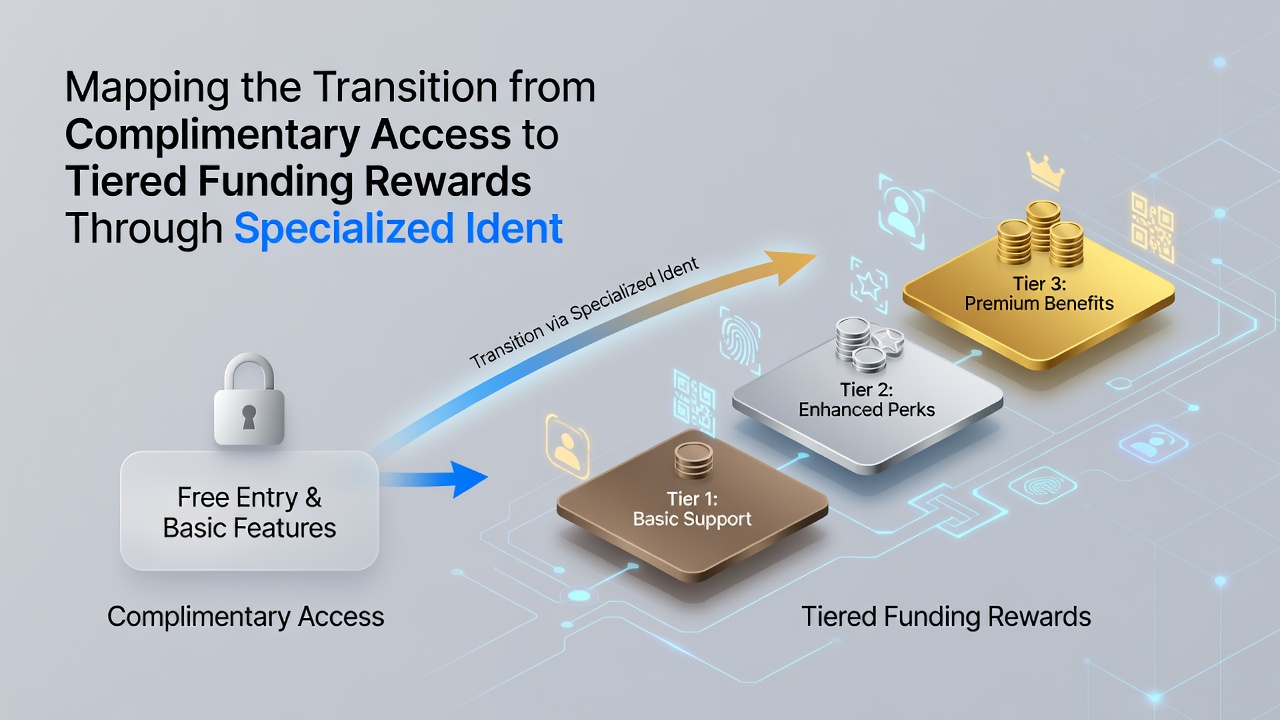
Case examples from platform operators demonstrate that users who enter via a complimentary identifier frequently reach the first deposit tier within three sessions when the system provides clear visual cues about upcoming benefits. Those same identifiers later activate higher brackets automatically once cumulative funding crosses predefined lines, such as 100 euros or 500 euros, without requiring separate code entry. This seamless handoff reduces friction while maintaining traceability for compliance purposes.
Data Trends and Platform Variations
Statistics gathered across multiple jurisdictions reveal that identifier-based transitions account for the majority of reward activations in 2026, with average progression times shortening as machine learning refines eligibility predictions. Platforms in Asia-Pacific regions often layer additional verification steps onto identifiers to accommodate cross-border funding rules, while European systems focus on harmonizing tier structures with consumer spending limits. Experts tracking these patterns report that the core mapping remains consistent: free entry via identifier leads directly to funded tiers when deposit activity registers against the same digital marker.
Variations appear in how quickly platforms escalate rewards once the transition completes. Some apply immediate boosts at the 10 euro deposit level, whereas others reserve elevated percentages for accounts that accumulate activity over multiple weeks. The identifier itself carries the full history, allowing the system to recognize returning users and place them at the appropriate point on the reward ladder rather than resetting to the starting tier.
Conclusion
Specialized identifiers continue to serve as the primary mechanism mapping complimentary access onto tiered funding rewards across online entertainment platforms. Their ability to track, validate, and escalate benefits based on deposit behavior creates a continuous pathway that operators refine through ongoing data analysis. As regulatory environments evolve, these systems adapt by incorporating new compliance checkpoints while preserving the core progression from free entry to structured incentives.