Identifier Pathways Connecting Coded Entries to Reward Escalations Across Funding Brackets in Virtual Wagering Platforms
Logan Lang · Aug 19, 2026
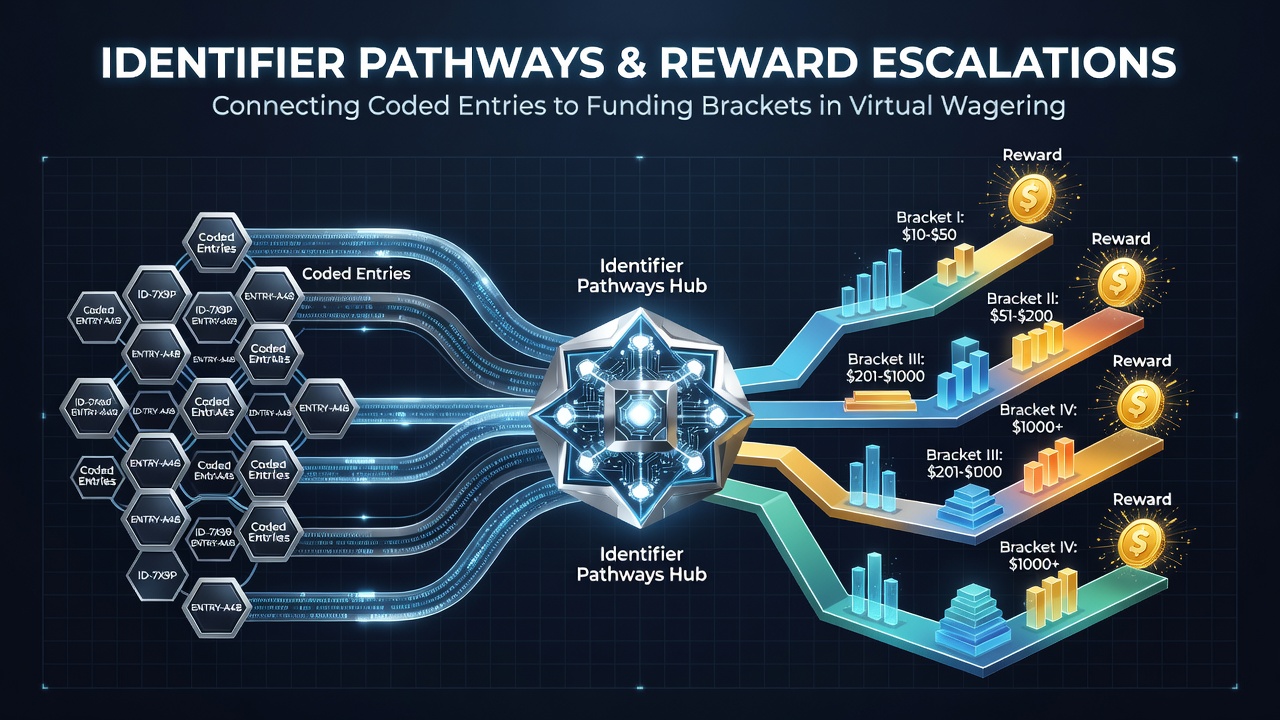
Identifier Pathways Connecting Coded Entries to Reward Escalations Across Funding Brackets in Virtual Wagering Platforms
Digital wagering platforms rely on structured identifier systems that link specific codes to progressive reward tiers, and these pathways operate through defined sequences that scale incentives based on deposit amounts. Operators assign alphanumeric strings or promotional codes at entry points, which then activate different benefit levels once users complete funding steps ranging from minimal thresholds to higher brackets.
Mechanics of Code Activation and Bracket Mapping
Entry identifiers function as keys that unlock initial access while simultaneously routing users toward escalated structures once deposits hit predetermined amounts, and data from platform analytics shows these systems track funding progression through automated verification steps. A code entered at registration might grant base rewards, yet the same identifier escalates benefits when cumulative deposits reach set markers such as 50 euros, 200 euros, or beyond, creating layered pathways that connect entry actions to ongoing reward growth. Researchers tracking platform operations note that these mappings often incorporate time-bound conditions where codes remain valid only within specific windows, which forces users to align their funding activity with activation periods.
Funding Thresholds and Reward Scaling Patterns
Platforms typically divide funding activity into brackets that trigger incremental reward upgrades, and each bracket corresponds to distinct incentive types including match percentages, free spins, or cashback rates that increase with deposit size. Observers monitoring virtual wagering environments report that lower brackets starting around 10 to 50 euros often deliver introductory rewards, while mid-level deposits between 100 and 500 euros activate enhanced multipliers, and higher brackets exceeding 1000 euros unlock premium structures such as personalized bonuses or loyalty point accelerations. These escalations depend on the identifier remaining active throughout the progression, which means users must complete sequential deposits without resetting the code status.
August 2026 figures from industry monitoring services indicate continued expansion of such bracketed systems across multiple jurisdictions, with operators refining code pathways to accommodate regional regulatory variations. The pathways themselves incorporate verification layers that confirm both the code validity and the deposit history before releasing escalated rewards, reducing mismatches between user actions and system responses.
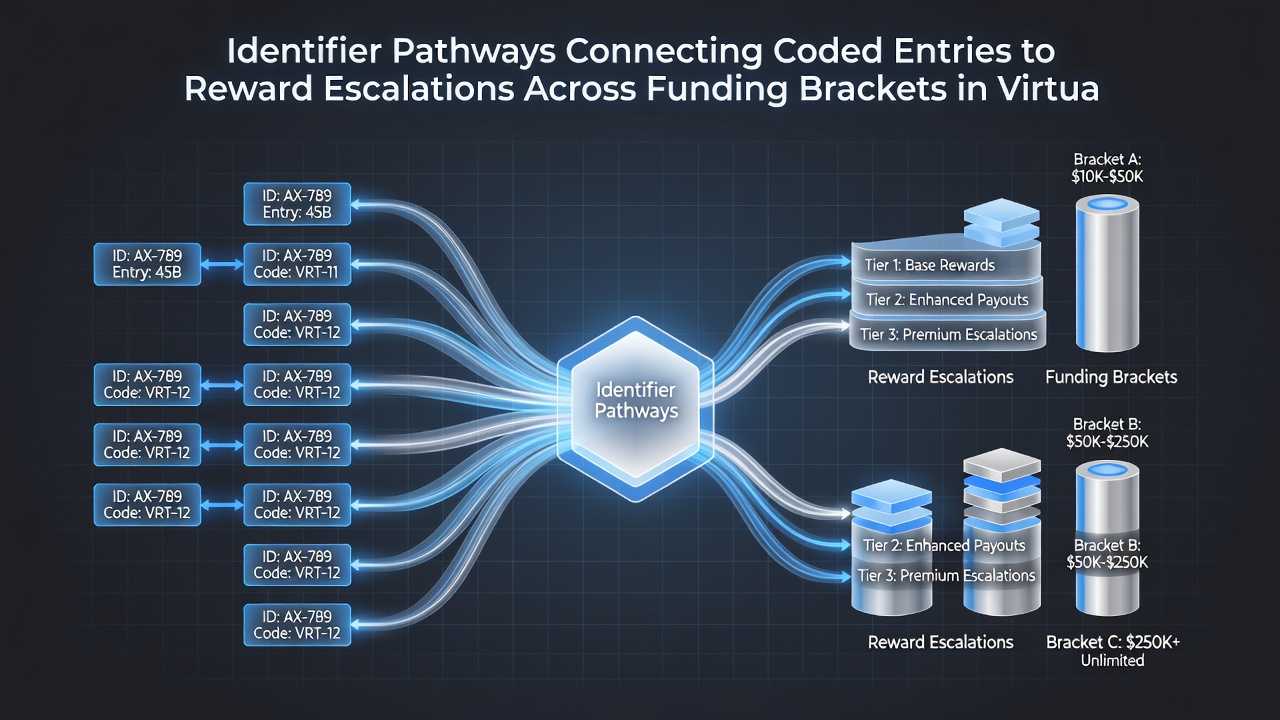
Integration with Platform Verification Systems
Verification protocols tie coded entries directly to account funding records, and this integration ensures that reward escalations only proceed after identity checks and deposit confirmations align with the identifier rules. Platforms route codes through backend systems that log each funding event, then compare the cumulative totals against bracket thresholds before applying the next reward tier. Those who study these architectures find that mismatches in verification timing can interrupt pathways, which prompts operators to implement real-time status updates that notify users when their identifier qualifies for the subsequent bracket.
Regulatory frameworks in various regions shape how these identifier systems function, with agencies such as the New Jersey Division of Gaming Enforcement requiring clear disclosure of code conditions and bracket requirements. Similar oversight appears in other markets where authorities monitor the transparency of reward pathways to maintain compliance across virtual platforms.
Regional Variations in Pathway Design
European operators often structure identifiers around euro-denominated brackets that scale from 10 euros upward, whereas North American platforms adjust thresholds to align with local currency and regulatory limits, creating distinct mapping patterns that reflect jurisdictional differences. Data compiled by the American Gaming Association highlights how these regional adaptations influence code activation rates and reward distribution across deposit ranges. Australian and Canadian platforms further modify bracket progressions to incorporate local player behavior patterns, resulting in identifier systems that emphasize different escalation speeds depending on average funding volumes.
Platform developers continue refining these connections between codes and funding brackets throughout 2026, incorporating automated tools that adjust reward tiers based on user activity histories. The result is a network of pathways where a single identifier can guide users through multiple reward stages provided the deposit sequence follows the established rules.
Conclusion
Identifier pathways in virtual wagering platforms establish direct connections between coded entries and reward escalations that scale according to funding brackets, and these systems rely on integrated verification to maintain accurate progression tracking. Regional regulatory influences and platform-specific designs continue shaping how codes activate and escalate benefits across different deposit levels, with ongoing developments observed through August 2026 data. The structured mapping of identifiers to funding thresholds provides a consistent framework that platforms use to deliver tiered incentives while meeting compliance standards across multiple markets.