Deciphering Activation Sequences for Euro-Scaled Incentives Across Digital Gaming Platforms
Drew Becker · Aug 2, 2026
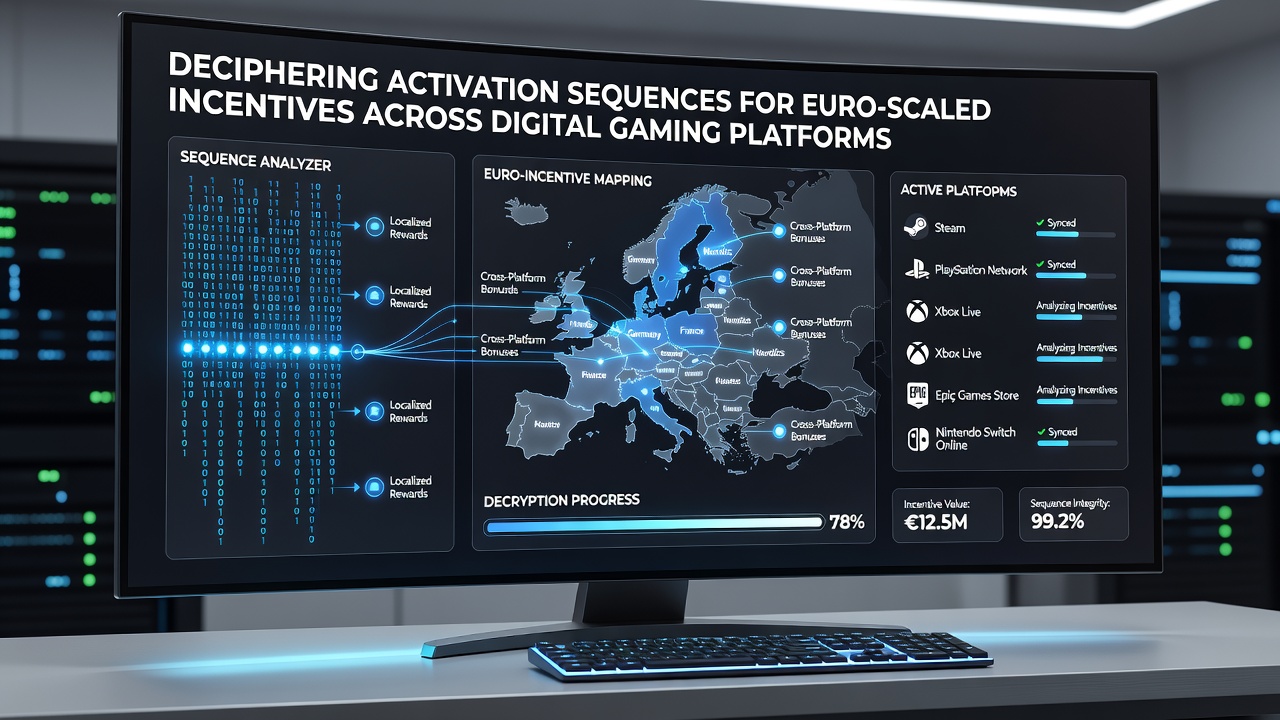
Deciphering Activation Sequences for Euro-Scaled Incentives Across Digital Gaming Platforms
Digital gaming platforms across Europe rely on structured activation sequences that correspond to deposit amounts in euros, and these sequences determine which incentives become available at each funding level. Observers note that platforms assign unique codes or identifiers to specific deposit thresholds, allowing users to unlock rewards that increase in value or variety as deposits move from smaller amounts like 10 euros up through larger sums such as 500 or 1000 euros. Data from industry reports indicate that these sequences often combine alphanumeric strings with account verification steps, creating a layered process that platforms manage through centralized systems.
Mechanics of Sequence Activation in Practice
Platforms implement activation sequences through a combination of user input fields and backend validation protocols, where each code links directly to a deposit range and its associated incentive package. Researchers have documented cases where a single sequence might first require entry of a base code for initial access, followed by confirmation of a deposit amount that then triggers additional reward elements. In August 2026, updated platform logs from several operators revealed that sequences for mid-tier deposits between 100 and 300 euros frequently incorporate time-limited elements, such as a 24-hour window for code redemption after deposit confirmation.
Those who analyze these systems find that the scaling occurs through progressive multipliers or added features, for instance free spins attached to lower deposits while higher deposits activate cashback percentages or loyalty points. Evidence from operational reviews shows that platforms maintain databases mapping each sequence to precise euro increments, which helps prevent mismatches between intended rewards and actual user funding activity. What's interesting is how these mappings update periodically based on regulatory adjustments in various EU member states.
Regional Variations in Euro-Based Incentive Structures
European operators adapt activation sequences to align with local licensing requirements, resulting in differences between markets such as those regulated under Maltese or Swedish frameworks. According to data compiled by the European Gaming and Betting Association, platforms in southern Europe tend to emphasize deposit-threshold sequences that tie directly to seasonal promotions, whereas northern markets incorporate stricter verification layers before incentives activate. European Gaming and Betting Association reports highlight that sequence complexity rises with deposit size, as higher euro amounts often demand multi-factor authentication to comply with anti-money laundering directives.
Take the example of one operator group that adjusted its sequences in early 2026 to accommodate new deposit reporting standards, which shifted certain incentives from automatic activation to manual code entry followed by system checks. Observers note that these changes reduced processing times for smaller deposits while adding review steps for amounts exceeding 400 euros. Figures reveal that average sequence completion rates vary by region, with higher success in markets that provide clear code instructions on platform interfaces.
Technical Integration and Platform Comparisons
Software providers supply the backend tools that handle sequence validation, integrating them with payment gateways so that each euro deposit automatically references the correct activation pathway. Studies from research institutions such as those affiliated with the University of Malta's gaming analytics programs show that sequence errors decrease when platforms use standardized code formats across multiple sites. Yet variations persist because some operators customize sequences to match specific game portfolios or loyalty tiers.
Platforms in the German and Dutch markets, for instance, have adopted sequences that require users to confirm deposit sources before incentives unlock at higher euro levels. This approach stems from national regulations that emphasize responsible funding practices. Data indicates that cross-platform comparisons in 2026 demonstrated consistent patterns where sequences for deposits under 50 euros activate within seconds, while those above 750 euros involve additional compliance reviews lasting up to several minutes.
Regulatory Context and Data Trends Through Mid-2026
Regulatory bodies in multiple jurisdictions track how activation sequences influence user behavior, particularly around scaled incentives tied to euro deposits. Reports from the Irish Gambling Regulatory Authority document a rise in sequence-based reward claims during the first half of 2026, correlating with platform updates that introduced more granular deposit tiers. These trends align with broader efforts to standardize incentive disclosures across digital environments.
One study released in August 2026 by an academic consortium examined sequence logs from licensed operators and found that successful activations increased when platforms offered preview tools showing which rewards correspond to each euro threshold. Such tools help clarify the connection between code entry, deposit confirmation, and final incentive delivery without altering the underlying mechanics.
Conclusion
Activation sequences for euro-scaled incentives continue to evolve as platforms refine their technical and compliance frameworks. Information from regulatory filings and industry analyses demonstrates that these systems maintain clear mappings between deposit amounts, code requirements, and reward structures across European digital gaming environments. Continued monitoring by oversight bodies provides ongoing data on how these sequences function within established licensing parameters.