Code Pathways Linking Free Starts to Scaled Euro Deposits in Virtual Gaming Sites
Bianca Schmitz · Aug 21, 2026

Code Pathways Linking Free Starts to Scaled Euro Deposits in Virtual Gaming Sites
Virtual gaming sites structure reward systems through identifier sequences that connect initial complimentary access to tiered deposit options measured in euros, and these sequences often operate via alphanumeric codes distributed through registration flows or affiliate channels. Research indicates that operators in regulated European markets track user progression from zero-deposit entry points to incremental funding stages, where each verified code unlocks matching percentages or additional credits scaled to deposit size. Data from industry analyses show that platforms handling euro transactions frequently segment these pathways into distinct phases, beginning with limited free credits and advancing toward deposit thresholds that range from modest sums upward.
Mapping Identifier Sequences in Registration Flows
Operators assign unique codes during account creation, and these identifiers activate base-level rewards without requiring immediate deposits while also embedding triggers for later stages. When users complete verification steps, the same code string may reference backend rules that adjust available incentives once euro deposits occur at specified intervals. Observers note that this linkage reduces the need for multiple separate promotions, since one sequence manages both entry and scaling elements across the platform's reward architecture. In practice, systems log code redemptions alongside transaction data to confirm eligibility at each deposit rung, creating a continuous record rather than isolated bonus events.
Progression from Complimentary Credits to Deposit Thresholds
Many sites set initial free starts at fixed credit amounts or spin allocations that users must engage with before advancing further, and this engagement period serves as a qualifier for subsequent deposit-linked offers. Once activity thresholds are met, the pathway activates scaled euro deposit matches that increase in value or percentage at predetermined funding levels. Figures from platform audits reveal that common increments include entry at 10 euros, followed by higher tiers at 50, 100, and beyond, with code validation ensuring the transition occurs automatically upon deposit confirmation. This structure allows operators to maintain control over bonus distribution while guiding users through progressive commitment levels without requiring manual code entry at each stage.
Technical Integration of Code Validation Systems
Backend platforms rely on API connections between bonus engines and payment processors to verify code status against real-time deposit records, and this integration prevents duplicate redemptions while enforcing euro-based scaling rules. When a deposit hits a defined threshold, the system cross-references the original identifier to apply the corresponding reward layer. Studies on digital gaming infrastructure indicate that such automated checks became standard across multiple jurisdictions by mid-2026, supporting compliance with varying local requirements on bonus transparency. August 2026 saw several operators update their validation protocols to accommodate new reporting standards on player fund flows, which further refined how free-start codes transition into deposit-activated benefits.
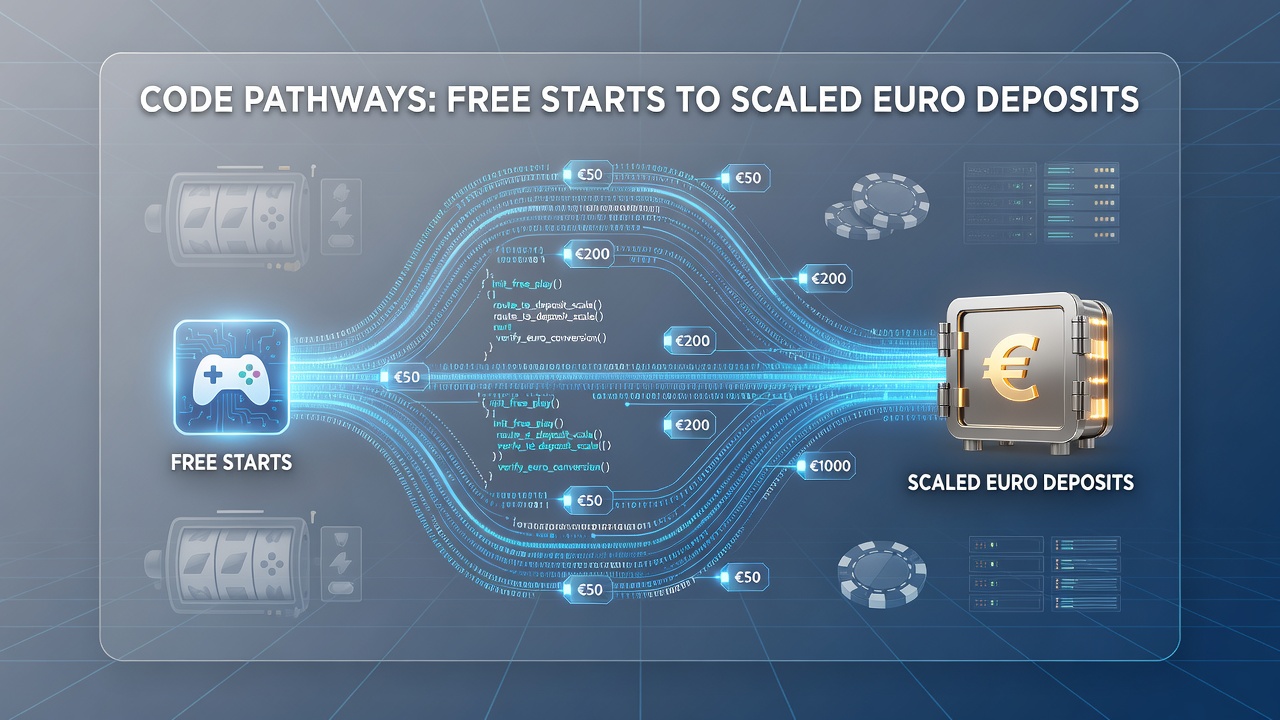
Users encounter these pathways through account dashboards that display pending reward stages, and visual indicators often highlight the next euro deposit amount needed to unlock the subsequent tier. This presentation method keeps the sequence visible without requiring users to track separate promotions manually. What's notable is the consistency across different site types, where code-based systems standardize the movement from complimentary access to paid engagement regardless of game variety or interface design.
Regional Variations in Pathway Implementation
Platforms licensed in Malta apply code pathways that align with EU consumer protection guidelines, and these sequences typically include mandatory wagering multipliers tied to each deposit tier. In contrast, operators serving other markets adjust the scaling increments and verification steps to match local currency handling and regulatory timelines. Reports from the European Gaming and Betting Association highlight how identifier systems facilitate cross-border consistency in reward delivery while accommodating these regional differences. Industry data shows that euro-denominated pathways maintain similar structural patterns even when operators modify specific threshold values.
Canadian regulatory frameworks influence certain international sites that accept euro deposits alongside local currencies, and those platforms adapt code sequences to satisfy both sets of oversight requirements. Academic examinations of online gambling mechanics have documented how such hybrid approaches preserve the core linkage between free entry and scaled funding without introducing additional user friction.
Conclusion
Code pathways that connect free starts to scaled euro deposits function through integrated identifier systems that operators maintain across registration, verification, and transaction stages. These sequences standardize progression while allowing adjustments for regulatory environments and platform-specific rules. Evidence from operational reports confirms that the approach supports efficient reward distribution in virtual gaming settings, with validation processes ensuring accurate application at each deposit level. Continued refinements in August 2026 reflect ongoing adaptations to reporting standards and technical capabilities within the sector.